
Beyond Autocorrect: Advanced Writing Tools for Windows PC in 2026
Discover advanced writing assistants for Windows PC in 2026 that go beyond basic autocorrect, offering system-wide predictive text, grammar correction, AI writing, and voice typing for enhanced productivity and privacy.
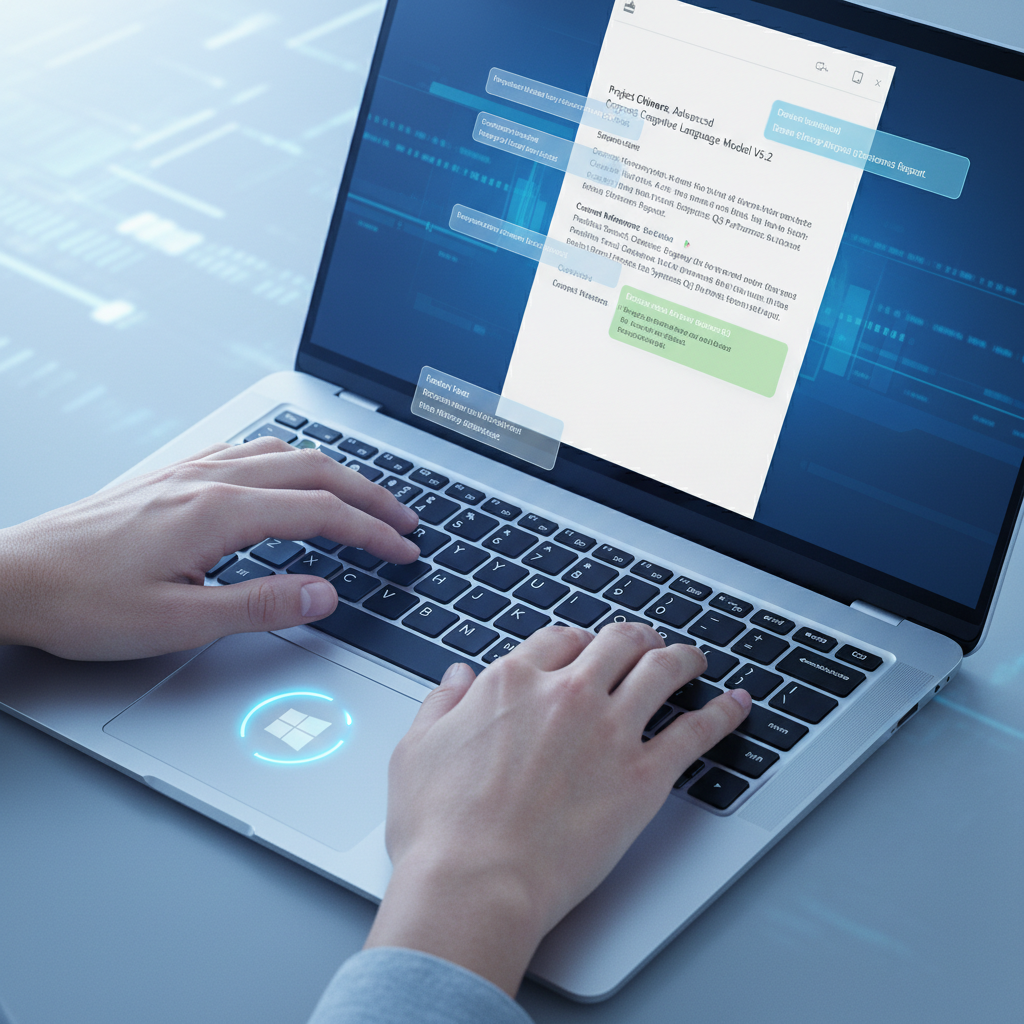
The landscape of digital writing has evolved dramatically, especially for Windows PC users. Gone are the days when simple spell-checking was considered cutting-edge. In 2026, the demand for sophisticated writing assistance has surged, pushing the boundaries of what tools can offer. This article explores the advanced solutions available that go far beyond basic autocorrect, transforming the way we interact with text on our Windows machines.
Key Takeaways
System-Wide Integration: Modern writing assistants offer seamless operation across all Windows applications, not just specific programs. Beyond Basic Corrections: Tools now include advanced features like predictive text, grammar correction, AI writing generation, and voice typing. Enhanced Productivity: These solutions significantly boost typing speed, reduce errors, and streamline content creation workflows. Privacy Focus: Leading tools prioritize local processing for sensitive typing data, ensuring user privacy. Future-Proofing:* Staying updated with these tools is essential for anyone who relies on efficient and accurate written communication.
The Evolution of Writing Assistance on Windows
For years, Windows users have grappled with inconsistent built-in autocorrect features. While some Microsoft applications like Word offer decent spell-checking, this functionality often falls short in other crucial areas such as web browsers, email clients, chat applications, and custom desktop software. This fragmentation has led to a constant search for a more unified and powerful solution. The question often arises: is there something similar to autoccorect but for windows pc that works universally? The answer, in 2026, is a resounding yes, with a suite of tools designed to cover every writing need.
The shift isn't just about fixing typos; it's about enhancing the entire writing process. Modern users expect tools that can anticipate their words, refine their grammar, and even assist in generating new content. This evolution reflects a broader trend towards AI-powered productivity tools that aim to bridge the gap between thought and text, making digital communication more fluid and less prone to human error.
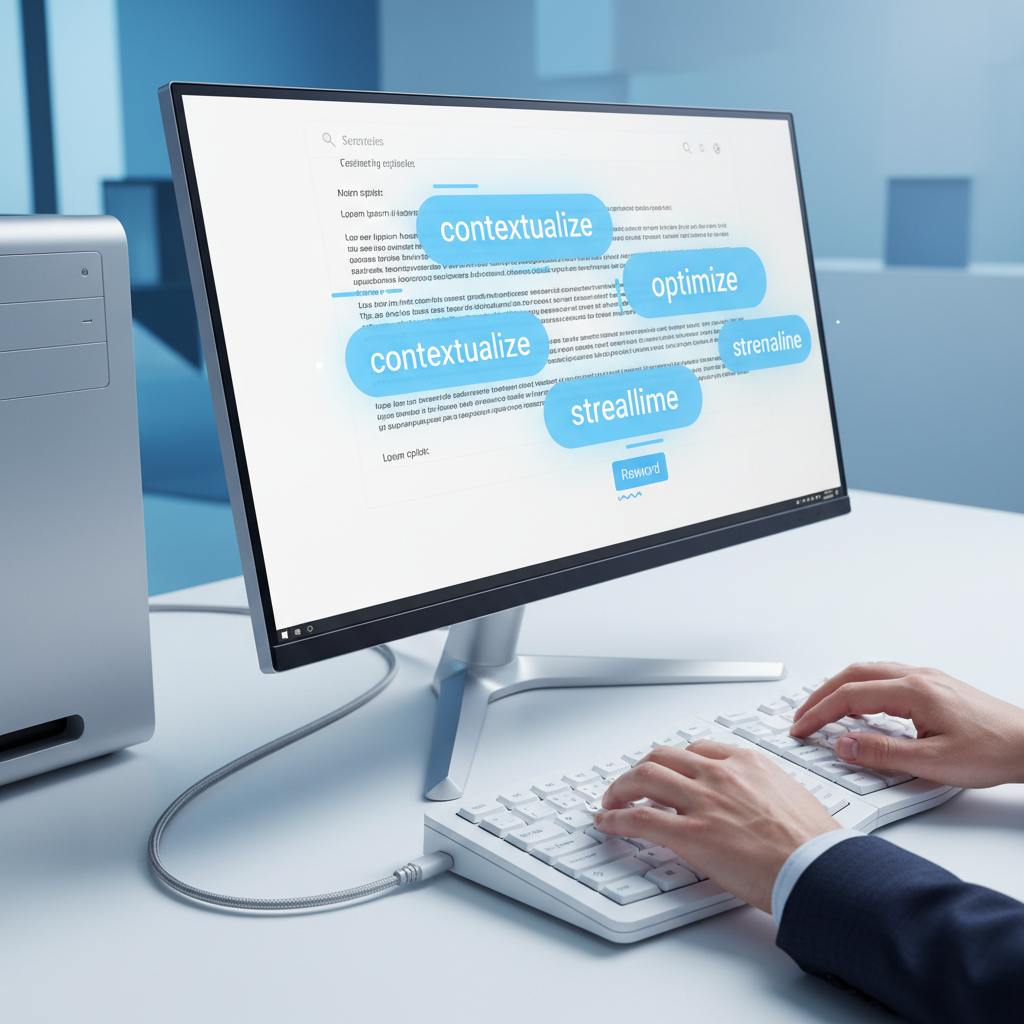
Beyond Basic Autocorrect: What Modern Tools Offer
Today's writing assistants for Windows PC are far more comprehensive than their predecessors. They integrate multiple functionalities into a single, cohesive experience. This multi-faceted approach addresses various pain points users encounter daily, from simple spelling mistakes to complex grammatical errors and even writer's block.
Predictive Text and Word Completion
One of the most significant advancements is the integration of predictive text and word completion. As you type, these features suggest words or phrases, allowing you to complete sentences with fewer keystrokes. This not only speeds up typing but also helps in maintaining flow, especially for those who might struggle with typing speed or have physical limitations. Tools like AutoCorrect PC offer system-wide predictive text, meaning these suggestions appear in any application you're using, from a simple Notepad document to a complex CRM system. This contrasts sharply with the limited, application-specific suggestions often found in older systems.
Advanced Grammar and Style Correction
Beyond simple spelling, modern tools now incorporate sophisticated grammar correction. These aren't just basic checks for subject-verb agreement; they can identify complex sentence structure issues, punctuation errors, and even offer stylistic improvements. Unlike traditional grammar checkers that require you to paste text into a separate window, these advanced assistants often provide real-time suggestions directly within your typing environment. This contextual correction ensures that your writing is not only grammatically sound but also clear and professional. Services like Microsoft Editor and Grammarly have made strides in this area, though their system-wide integration can sometimes be limited compared to dedicated Windows writing assistants.
AI Writing and Content Generation
Perhaps the most revolutionary feature is AI writing. These tools can generate text from a simple prompt, rewrite existing sentences for clarity, or expand on ideas. This capability is invaluable for content creators, marketers, students, and anyone who needs to produce written material quickly and efficiently. Imagine needing to draft an email, a social media post, or even a paragraph for a report; an AI writer can provide a solid starting point or refine your existing draft. AutoCorrect PC's AI Writer feature, for instance, allows users to generate, rewrite, or expand text directly within any application, seamlessly integrating AI assistance into the workflow.
Voice Typing and Speech-to-Text
Voice typing, or speech-to-text, has also become remarkably accurate and integrated. For those who prefer speaking over typing, or for accessibility reasons, this feature allows users to dictate text directly into any application. The sophistication of modern voice typing means it can accurately transcribe speech, including punctuation and formatting, significantly reducing the need for manual input. This is particularly beneficial for long-form content creation, brainstorming, or simply when your hands are busy.
Top-Tier Writing Assistants for Windows PC in 2026
The market for writing assistance tools has matured considerably. While many options exist, only a few truly stand out for their comprehensive features and system-wide integration on Windows.
AutoCorrect PC: The All-in-One Solution
AutoCorrect PC is designed specifically to address the fragmented nature of writing assistance on Windows. It offers a holistic approach, bringing together system-wide autocorrect, predictive text, grammar correction, AI writing, and voice typing. Its key differentiator is its ability to function across all desktop applications and text fields, ensuring a consistent and powerful writing experience regardless of where you're typing. This means whether you're drafting an email in Outlook, chatting in Slack, writing code in an IDE, or filling out a web form, AutoCorrect PC is there to assist.
Tip: For optimal performance and privacy, look for tools that perform most of their core functions (autocorrect, predictions, grammar) locally on your device. This ensures your typing data isn't constantly sent to external servers.
Microsoft Editor: Integrated for Microsoft Ecosystem Users
Microsoft Editor is a robust tool, particularly for those deeply embedded in the Microsoft ecosystem. It offers strong grammar and spelling suggestions within applications like Word, Outlook, and through browser extensions. While powerful for its intended scope, its primary limitation is its lack of true system-wide integration across all Windows applications. It's an excellent choice if your writing is predominantly confined to Microsoft Office suite products, but it won't offer the same universal coverage as a dedicated system-wide assistant.
Grammarly: A Popular Choice for Grammar Focus
Grammarly remains a popular choice, known for its comprehensive grammar and style suggestions. It works well within browsers and offers desktop applications that support some integrations. However, like Microsoft Editor, it doesn't provide truly system-wide autocorrect and predictive text across every single application on your Windows PC. It excels in detailed grammar analysis and tone detection, making it a favorite for professional writers and students focused on refining their prose.

How System-Wide Integration Boosts Productivity
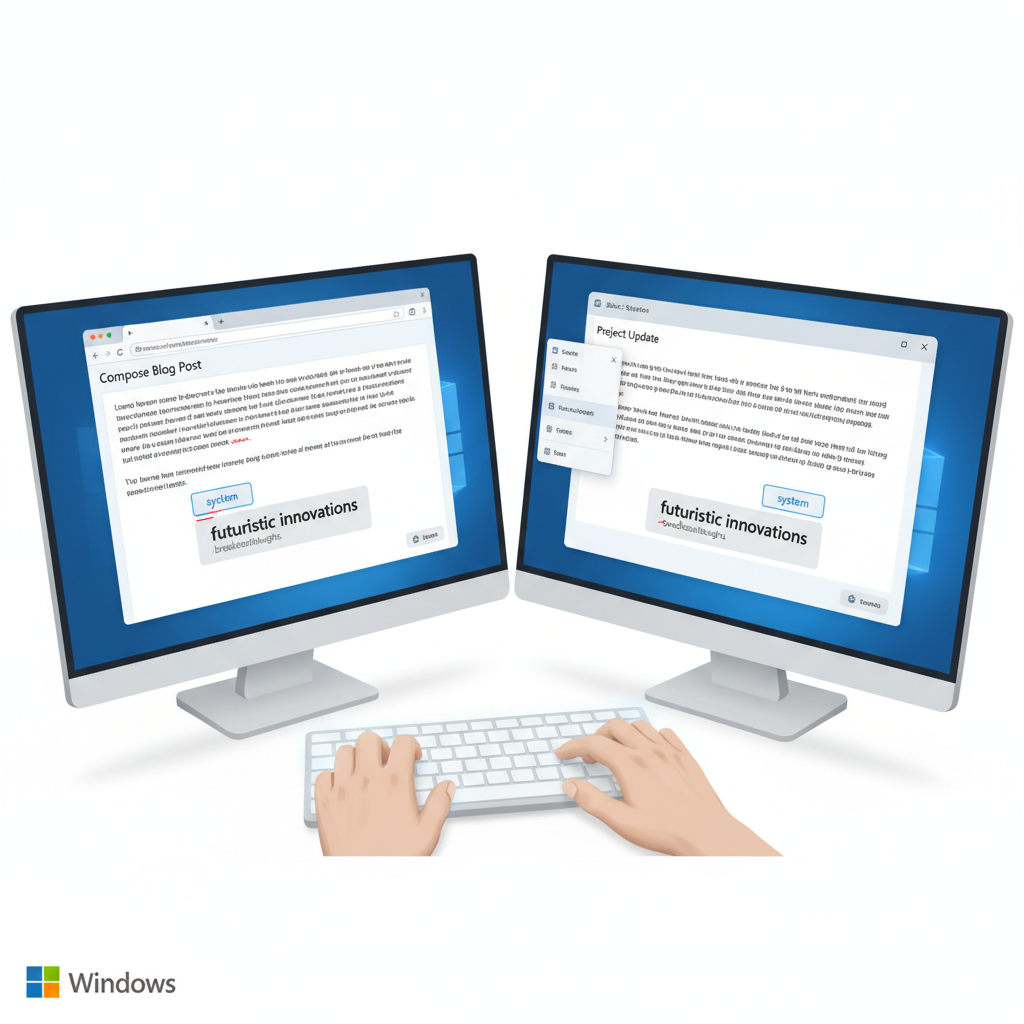
The concept of system-wide integration is crucial for maximizing productivity. Imagine having to switch between different tools or environments just to get basic writing assistance. This friction disrupts workflow and wastes valuable time. A truly system-wide solution means:
Uninterrupted Flow: You can stay focused on your task without needing to copy-paste text into a separate grammar checker or rely on inconsistent built-in features. Consistency: The same high-quality suggestions and corrections are available everywhere, leading to more consistent and error-free communication across all platforms. Reduced Mental Load: You don't have to remember which app has which feature enabled; the assistance is simply always there when you need it. Faster Output: With predictive text, autocorrect, and AI assistance readily available, the time it takes to produce high-quality written content is significantly reduced.
For professionals who spend hours typing emails, reports, code, or creative content, the efficiency gains from a system-wide writing assistant are substantial. It's not just about fixing mistakes; it's about enabling faster, cleaner, and more confident writing.
Privacy and Local Processing: A Growing Concern
As AI-powered tools become more prevalent, privacy has emerged as a significant concern for users. Many writing assistants process text on cloud servers, raising questions about data security and confidentiality. In 2026, discerning users are increasingly looking for solutions that prioritize local processing.
Tools that perform autocorrect, word completion, next-word prediction, speech transcription, grammar correction, and dictionary lookups locally on your computer offer a superior level of privacy. This means your everyday typing data never leaves your device, reducing the risk of data breaches or unauthorized access. While AI writing features might still require server communication for complex generative tasks, the core typing assistance should ideally remain on-device. AutoCorrect PC, for example, emphasizes this privacy-first approach, ensuring that your most sensitive typing stays secure. This commitment to local processing is a key factor in choosing a modern writing assistant, especially for professionals handling confidential information.

The Future of Writing: AI and Beyond
The trajectory of writing assistance points towards even more sophisticated AI integration. We're moving beyond simple corrections to tools that understand context, tone, and even the user's personal writing style. Future developments may include:
Personalized AI Models: Assistants that learn your unique vocabulary, phrasing, and common errors to provide even more tailored suggestions. Contextual Understanding: AI that can understand the intent behind your writing (e.g., a formal report vs. a casual chat) and adjust its suggestions accordingly. Multi-Modal Input: Seamless integration of text, voice, and even visual input for content creation. Proactive Assistance: Tools that not only correct errors but also proactively suggest ways to improve clarity, conciseness, and impact before you even type them.
The goal is to create a truly intuitive writing partner that anticipates your needs and enhances your communication without being intrusive. As AI technology continues to advance, the line between human and machine writing will blur, making these tools indispensable for anyone who communicates digitally.
Conclusion
In 2026, the options for enhancing your writing experience on Windows PC extend far beyond basic autocorrect. From system-wide predictive text and advanced grammar correction to powerful AI writing and voice typing, a new generation of tools is transforming productivity. Solutions like AutoCorrect PC offer a comprehensive, integrated approach that ensures consistent, high-quality assistance across every application. By embracing these advanced writing assistants, Windows users can type faster, write cleaner, and communicate more effectively, staying ahead in an increasingly text-driven world.
Ready to Transform Your Typing Experience?
Don't let inconsistent autocorrect or fragmented tools slow you down. Discover the power of a truly smart writing assistant for your Windows PC. Visit AutoCorrect PC today to learn how you can type faster and cleaner with system-wide autocorrect, word predictions, grammar correction, AI writing, and voice typing. Upgrade your writing workflow and experience the future of digital communication.
Related Posts
Autocorrect for PC Windows 10: The Essential 2026 Guide
Discover how advanced system-wide autocorrect and smart writing assistants can transform your Windows 10 typing experience, boost productivity, and ensure polished communication in 2026. Go beyond basic spell-check with AI writing, grammar correction, and predictive text.
Read post →The Ultimate Guide to Autocorrect for Windows in 2026
Discover why native Windows autocorrect falls short and how system-wide writing assistants can boost your productivity and accuracy across all applications. Learn about advanced features like predictive text and AI writing tools.
Read post →AutoCorrect PC: Smart Writing Assistant for Windows in 2026
Discover AutoCorrect PC, an intelligent writing assistant for Windows in 2026. It offers system-wide integration, predictive text, grammar correction, and AI writing tools to boost productivity and accuracy across all your applications.
Read post →Want system-wide predictions, autocorrect, and voice typing on Windows?